close
Choose Your Site
Global
Social Media
Views: 0 Author: Site Editor Publish Time: 2026-11-21 Origin: Site
High-pressure drilling operations demand rapid, precise reactions. In well control situations, direct manual operation of choke valves proves inherently dangerous and dangerously slow. Rig crews cannot safely stand near high-pressure equipment while attempting to manage sudden influxes. Operators need a safer, faster alternative to manage these critical events. We define the Choke Manifold Control Panel as this vital, centralized remote interface. It manipulates hydraulic choke valves from a safe distance. It monitors dynamic wellbore conditions continuously. It also maintains constant bottom-hole pressure during a well kick.
This article breaks down the core operating principles of these panels. We will compare standard analog systems against modern automated categories. You will gain an objective framework for evaluating control panels. This framework will guide your decisions, whether you are planning new procurement or upgrading existing rig infrastructure.
Core Function: The control panel enables remote, precise manipulation of the control valve on the choke manifold to safely circulate out gas kicks and manage well pressure.
Critical Components: Reliable operation depends on the integration of high-accuracy pressure sensors (drill pipe and casing) and precise pump stroke counters.
Evaluation Criteria: Procurement decisions must prioritize API 16C compliance, hazardous area certifications (ATEX/IECEx), and the specific responsiveness of the hydraulic power unit.
Implementation Reality: System reliability is directly tied to routine calibration of pressure sensors and proper maintenance of hydraulic umbilical lines.
Drilling operations face significant financial and physical risks during a well kick. You must control formation pressures quickly. Delayed pressure control damages sensitive formations. It can also trigger catastrophic blowouts. Furthermore, inaccurate pressure readings prolong the well-killing process. This delay inevitably results in costly Non-Productive Time (NPT). Rig operators simply cannot afford equipment failures when influxes enter the wellbore. The control panel serves as the primary defense mechanism against these operational disasters.
A successful control panel deployment must meet strict performance benchmarks. First, it must deliver near-instantaneous valve response. When the operator adjusts the lever, the choke must react immediately. Second, you need highly accurate pressure readings. Drillers rely entirely on these numbers to calculate mud weights. Finally, fail-safe redundancy is non-negotiable. If primary rig power fails, the panel must continue functioning independently.
Rig crews face immense danger standing near high-pressure piping during a kick. Vibrations, abrasive fluids, and extreme pressures create hazardous zones. Locating the control panel safely on the rig floor solves this proximity issue. Operators stay far away from the high-pressure manifold. This strategic placement ensures crew safety. It also allows the driller to maintain full situational awareness alongside other critical rig floor displays.
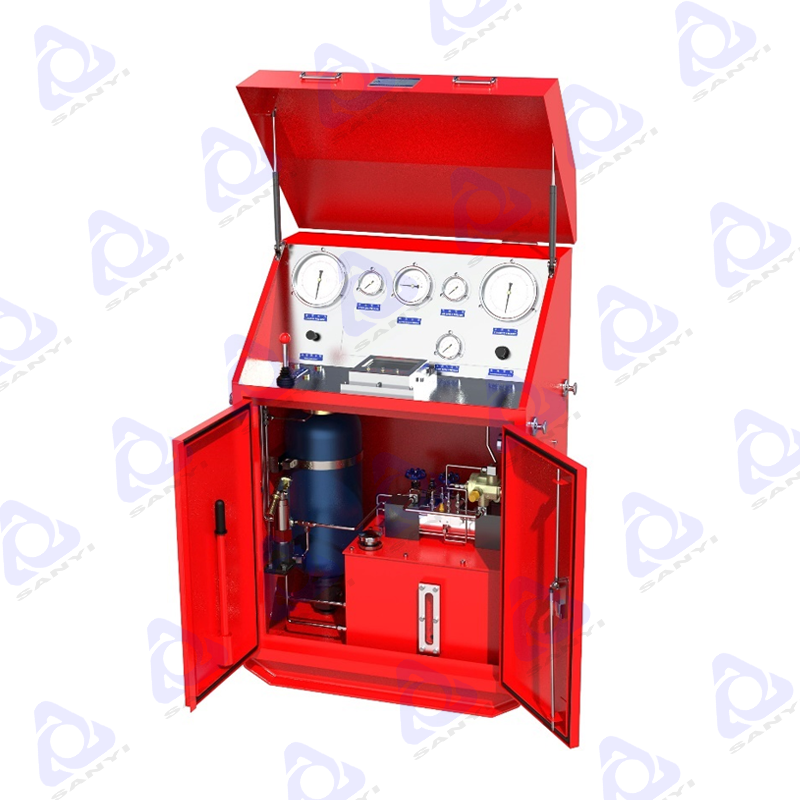
The control panel translates human intent into mechanical action. The operator provides input via a mechanical lever or a digital Human-Machine Interface (HMI). The panel converts this input into hydraulic pressure. This regulated hydraulic pressure travels down umbilical lines. It then opens or closes the Control Valve on the manifold. Fine, incremental adjustments are absolutely essential. Operators must maintain precise casing pressure throughout the circulation process. They must avoid over-correcting. Opening the valve too fast drops bottom-hole pressure, inviting more formation fluids into the well. Closing it too fast spikes pressure, risking formation fracture.
Make small, incremental lever adjustments to prevent pressure spikes.
Observe the pressure gauge reaction for several seconds before making secondary adjustments.
Ensure the hydraulic fluid in the reservoir remains clean to prevent actuator sticking.
Operators cannot control what they cannot measure. Panels feature dual pressure gauges. They monitor Drill Pipe Pressure and Casing Pressure simultaneously. A reliable Pressure Sensor guarantees accuracy during these critical moments. Reducing signal lag time is vital for safe operations. Pneumatic signals may experience slight delays over long distances, whereas electronic signals offer instantaneous feedback. These sensors must also resist harsh environments. They interact constantly with abrasive drilling fluids, corrosive gases, and extreme temperatures.
Modern panels integrate pump stroke counters and rate meters directly into the console. These tools calculate the exact volume of fluid circulated downhole. Operators rely heavily on this flow data. They combine stroke counts with real-time pressure readings. This combination helps them execute standard well control methods safely. For example, both the Driller’s Method and the Wait and Weight Method demand precise stroke tracking. If the stroke count is wrong, heavy kill fluid reaches the bit at the wrong time. This mistake alters bottom-hole pressure calculations and compromises well integrity.
Traditional consoles represent the historical standard in well control. They utilize analog gauges, manual levers, and air-over-hydraulic systems. Rig air pressure enters the panel. It drives an internal hydraulic pump. This pump sends fluid to the choke actuator.
Pros: These systems offer exceptional mechanical reliability. Field mechanics can repair them easily using basic tools. They require a lower initial capital expenditure (CAPEX). They remain highly robust in extreme environmental conditions.
Cons: Traditional panels rely entirely on operator skill and intuition. They lack automated data logging capabilities. Furthermore, analog gauges remain susceptible to minor calibration drift over time, requiring frequent manual verification.
Advanced operations now favor Programmable Logic Controller (PLC) systems. These automated panels feature digital interfaces, touchscreens, and remote data transmission. They incorporate sophisticated pressure-tracking algorithms.
Pros: Automated systems can maintain pressure set-points without constant human intervention. They log precise historical data, ensuring regulatory compliance. They also feature advanced alarm systems to warn operators of sudden pressure deviations.
Cons: These panels demand a significantly higher upfront cost. Rig crews cannot repair them with basic tools; they require specialized maintenance personnel. Additionally, operators must implement strict cybersecurity and software redundancy protocols to prevent system hacking or crashing.
System Category | Primary Interface | Key Advantages | Notable Drawbacks |
|---|---|---|---|
Traditional Consoles | Analog gauges, manual levers | High mechanical reliability, field-repairable, robust in extreme environments | Relies heavily on operator skill, lacks automated data logging |
Automated Systems | Touchscreens, digital HMIs | Automated set-point maintenance, precise historical data logging | Higher upfront cost, requires specialized IT/maintenance protocols |
Procurement teams must enforce strict regulatory standards. You must validate that the panel and all internal components meet API Spec 16C. This specification governs choke and kill systems globally. Next, you must assess hazardous area classifications. Depending on rig design, the panel location might require Zone 1 or Zone 2 certifications. Equipment in North America often requires Class 1 Div 1 or Div 2 ratings. European operations generally demand ATEX or IECEx certifications. Matching these safety ratings to your specific rig environment prevents regulatory shutdowns and ensures operator safety.
Your new panel must seamlessly interface with your existing rig infrastructure. Assess its ability to integrate with the current Choke Manifold. Determine if you operate a single or dual choke configuration. A dual-choke setup requires a panel capable of switching hydraulic control instantly between two different valves. You must also evaluate the Hydraulic Power Unit (HPU) capacity. Does the unit possess sufficient accumulator volume? The accumulators must store enough pressurized fluid to stroke the valve multiple times if the rig loses total air or electrical power.
Sensor failure during a kick leads to blind operations. Establish strict criteria for evaluating pressure sensor durability. Inspect the diaphragm seals. They separate the clean sensor fluids from the abrasive drilling mud. Evaluate the quality of the mud protectors. Ask vendors about calibration longevity. High-quality sensors utilize 4-20mA electronic signals that resist environmental interference better than older pneumatic signal transmitters.
Rig floor space is always at a premium. Measure the exact footprint of the proposed console. You must also plan the routing of hydraulic umbilical lines carefully. Long, tangled lines create significant operational risks. Longer lines cause micro-delays in valve response. The hydraulic fluid experiences friction and volumetric expansion as it travels through extended hoses. Keep umbilical runs as short and straight as possible to maintain crisp valve responsiveness.
Operators frequently overlook the hidden risk of pressure sensor drift. Over time, vibration and temperature changes cause sensors to lose their zero-point accuracy. You must establish strict, documented calibration schedules.
Relying on factory calibration certificates for more than six months in highly corrosive drilling environments.
Failing to document calibration results in the rig maintenance ledger.
Ignoring minor discrepancies between analog backup gauges and digital readouts.
Total control panel failure remains a terrifying possibility. Lightning strikes, fires, or severed umbilical lines can render the remote console useless. You must ensure manual override capabilities exist directly on the manifold. If the panel dies, a rig hand must be able to put on safety gear, walk to the manifold, and operate the backup manual hand wheel to save the well.
Upgrading equipment creates distinct human-factor risks. Deploying advanced digital panels without adequately upskilling rig personnel invites disaster. Rig crews used to feeling the mechanical feedback of analog levers often struggle with touchscreens. You must implement comprehensive simulator training. Crews need to build muscle memory on the new digital interfaces before they handle a live well kick.
Begin by matching the panel type to your well's risk profile. Complex operations like Managed Pressure Drilling (MPD) require highly responsive, automated systems. Conversely, standard shallow onshore rigs may only need reliable analog panels. Do not overbuy technology if your crews lack the infrastructure to maintain it. However, never underbuy if you drill deep, high-pressure exploratory wells.
Shortlist manufacturers based on hard evidence. Demand demonstrable API certifications. Inquire specifically about lead times for critical spare parts. If a pressure gauge or actuator seal breaks, you need replacements immediately to resume drilling. Prioritize vendors offering robust post-sale commissioning support. A vendor should send technicians to the rig to ensure the panel communicates perfectly with the manifold.
Request detailed technical drawings from your shortlisted vendors.
Ask them for specific umbilical length limitations based on your rig layout.
Demand HPU sizing calculations to verify emergency accumulator capacity.
Finalize technical alignment before negotiating the commercial terms.
The choke manifold control panel functions as the central nervous system of well control. It directly bridges operator intent with physical pressure management. When kicks occur, you cannot rely on slow manual interventions. Remote operation keeps crews safe while providing the precision needed to save the wellbore.
Investing in panels equipped with reliable pressure sensors and highly responsive control valves minimizes costly downtime. This investment maximizes overall rig safety. Cutting corners on well control equipment exposes operations to unacceptable risks.
We encourage all operators to review their current system’s compliance immediately. Examine your maintenance logs. Evaluate sensor drift histories. Consider upgrading your equipment if your current consoles lag behind modern API standards or fail to meet your current well-profile demands.
A: Yes. Modern panels often feature dual-choke configurations. Operators can seamlessly switch control between two separate choke valves on the manifold. This switching capability provides immediate redundancy. If one choke valve washes out due to abrasive fluids, the driller simply activates the secondary valve from the same panel.
A: Safety systems rely on backup hydraulic accumulators. These pressurized tanks store enough hydraulic fluid to stroke the valve multiple times without external power. If accumulator pressure also depletes, crews use manual hand pumps built into the console to generate hydraulic pressure and close the valve.
A: Industry standards recommend calibrating sensors at least every six months. However, event-triggered calibration is crucial. You should recalibrate sensors immediately after circulating out a severe kick, undergoing major rig transit, or if operators notice a widening discrepancy between analog gauges and digital readouts.
A: No. Remote control panels are designed specifically to operate hydraulic or pneumatically actuated control valves. They cannot operate manual choke valves. Manual valves require physical manipulation of a handwheel located directly on the manifold, which operators avoid during high-pressure kicks.